

10 Sep, 2026
How Growmax Is Helping Dubai’s Local Businesses Win Online
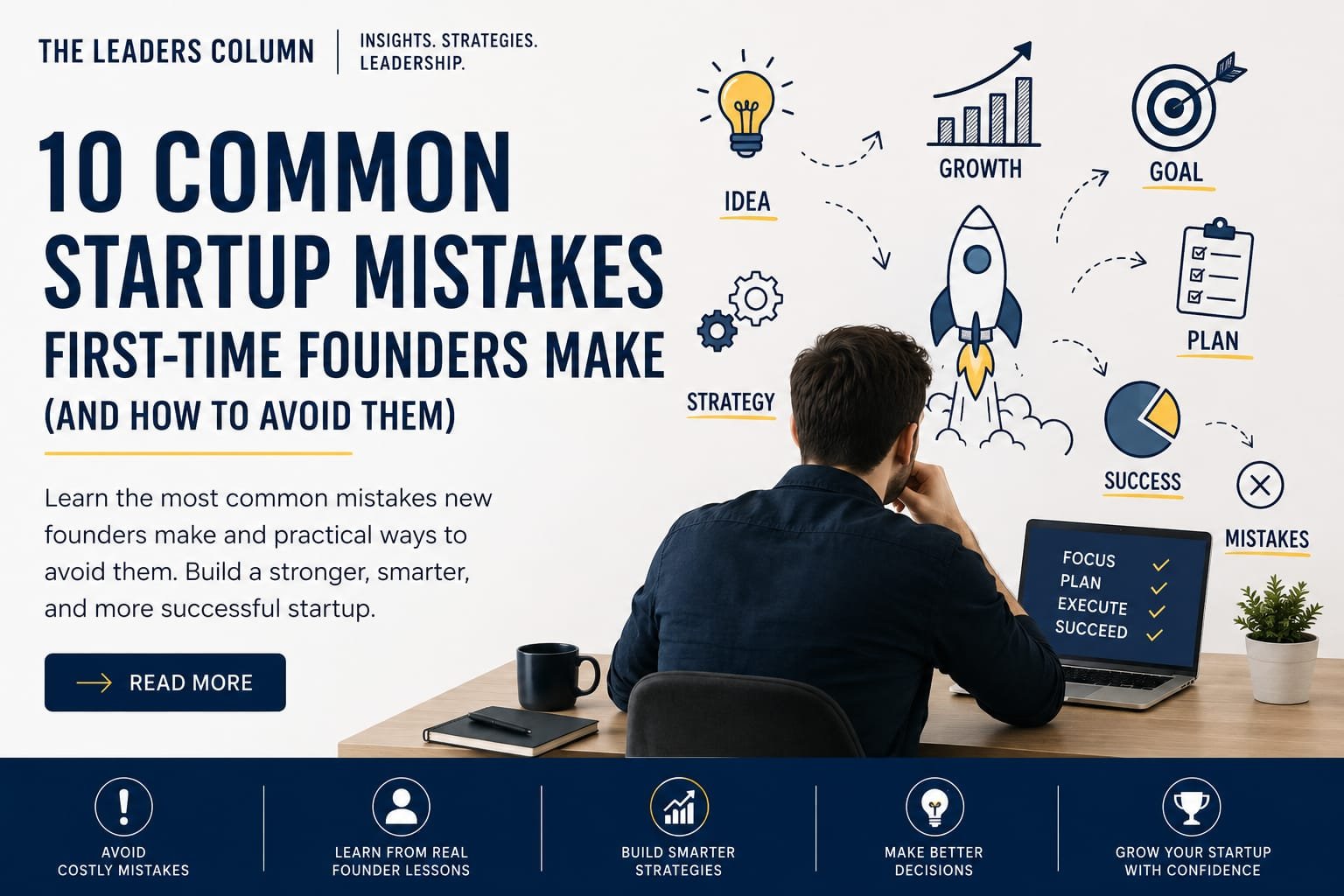
Starting a business is exciting, but building a successful startup takes more than a great idea. Every year, thousands of startups launch with high expectations, yet many struggle because of avoidable mistakes. While challenges are a natural part of entrepreneurship, learning from common founder mistakes can save valuable time, money, and effort.
Whether you’re launching your first business or planning your next venture, understanding these pitfalls will help you make smarter decisions and build a stronger foundation for long-term success.
Why Do So Many Startups Fail?
Most startups don’t fail because of a lack of passion. They fail due to poor planning, weak market research, cash flow issues, ineffective marketing, or building products that customers don’t actually need.
The good news? Most of these mistakes can be prevented with the right strategy and mindset.
1. Building a Product Without Validating the Idea
Many founders spend months creating a product before speaking to potential customers. This often leads to building something the market doesn’t need.
How to Avoid It
– Conduct customer interviews.
– Create a Minimum Viable Product (MVP).
– Test demand before investing heavily.
– Gather feedback and improve continuously.
2. Ignoring Market Research
Understanding your audience and competitors is essential. Without proper research, it’s difficult to position your startup effectively.
How to Avoid It
– Identify your ideal customer.
– Study competitor strengths and weaknesses.
– Analyze industry trends.
– Use customer surveys and online research.
3. Trying to Do Everything Alone
Many first-time founders believe they must manage every aspect of the business themselves. This often leads to burnout and slower growth.
How to Avoid It
– Build a reliable team.
– Delegate non-core tasks.
– Use automation tools.
– Seek guidance from mentors.
4. Running Out of Cash
Cash flow is one of the biggest reasons startups fail. Spending too much too early can quickly create financial pressure.
How to Avoid It
– Create a realistic budget.
– Track monthly expenses.
– Keep an emergency fund.
– Invest only in activities that support growth.
5. Neglecting Marketing
Even the best products won’t sell if people don’t know they exist. Marketing should begin before your product officially launches.
How to Avoid It
– Build your website early.
– Invest in SEO.
– Share valuable content.
– Be active on LinkedIn and other social platforms.
– Build an email list from day one.
6. Hiring Too Quickly
Growing your team is important, but hiring without a clear plan can create unnecessary costs and management challenges.
How to Avoid It
– Hire only when necessary.
– Focus on skill and cultural fit.
– Start with freelancers or contract professionals when possible.
7. Ignoring Customer Feedback
Customer feedback is one of the most valuable resources for improving your business. Ignoring it can result in missed opportunities and dissatisfied users.
How to Avoid It
– Collect reviews regularly.
– Conduct customer interviews.
– Monitor support requests.
– Implement improvements based on recurring feedback.
8. Setting Unrealistic Goals
Many startups expect rapid growth within a few months. Unrealistic expectations often lead to disappointment and poor decision-making.
How to Avoid It
– Set measurable milestones.
– Track key performance indicators (KPIs).
– Celebrate small achievements.
– Focus on consistent progress.
9. Not Building an Online Presence
Today’s customers research businesses online before making purchasing decisions. A startup without a professional online presence loses credibility.
How to Avoid It
– Create a modern, mobile-friendly website.
– Optimize your website for search engines.
– Maintain active social media profiles.
– Publish informative blog content regularly.
10. Forgetting That Leadership Matters
A startup’s success depends not only on the product but also on the founder’s ability to lead, communicate, and adapt.
How to Avoid It
– Continue learning.
– Listen to your team.
– Make decisions based on data.
– Stay adaptable during challenges.
– Build a culture of trust and innovation.
Final Thoughts
Every successful entrepreneur has faced setbacks. The difference is that they learn from mistakes, adapt quickly, and keep moving forward. By avoiding these common startup mistakes, first-time founders can improve their chances of building a sustainable and successful business.
Remember, success isn’t about avoiding every challenge—it’s about making informed decisions, learning continuously, and staying committed to solving real problems for your customers.
As your startup grows, focus on understanding your audience, managing your finances wisely, investing in marketing, and building strong leadership skills. These fundamentals will serve as the foundation for long-term growth.
Frequently Asked Questions (FAQs)
What is the biggest mistake first-time startup founders make?
The biggest mistake is launching a product without validating whether customers actually need it.
How can startups reduce the risk of failure?
Startups can reduce risk by conducting market research, managing cash flow carefully, listening to customers, and continuously improving their product.
How important is digital marketing for startups?
Digital marketing is essential because it helps startups build visibility, attract customers, generate leads, and establish credibility.
Should startups focus on SEO from the beginning?
Yes. SEO helps startups attract organic traffic, reduce long-term marketing costs, and build sustainable online growth.







Leave a Comment