

10 Oct, 2026
Meta AI Muse: Why Experts Warn It Could Make the Internet More Annoying
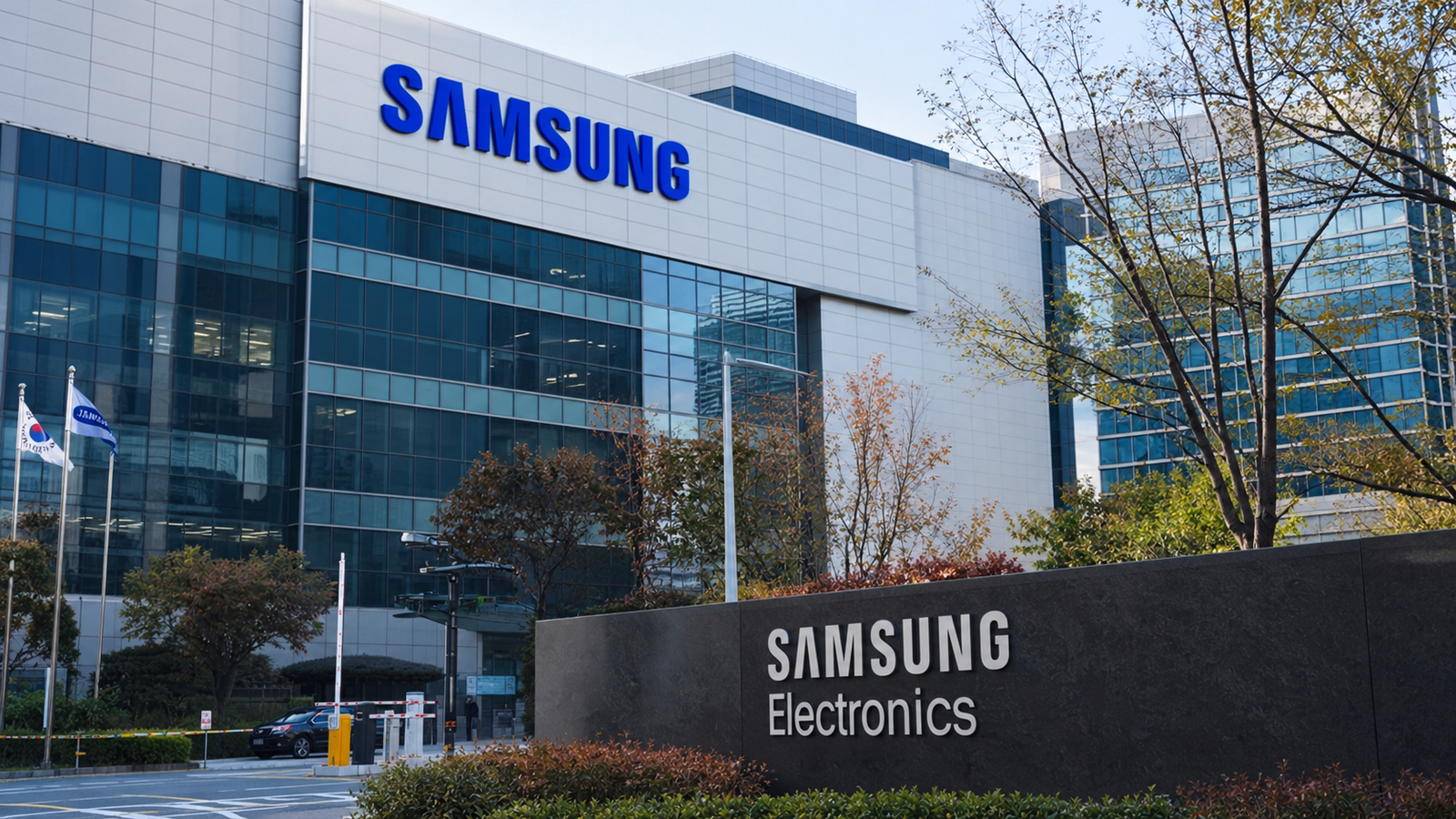
Samsung Q3 profit is projected to reach a record 107.4 trillion won, or roughly $80 billion, as soaring demand for artificial intelligence infrastructure drives a powerful boom in memory chips. Samsung Electronics announced the preliminary figure on October 8, marking a dramatic increase from the same quarter last year and highlighting the growing importance of AI-related semiconductor demand to the company’s business.
Samsung expects consolidated revenue of about 195 trillion won for the July-September quarter, according to its preliminary earnings guidance. The company said the figures remain subject to completion of its financial closing and external audit.
The projected Samsung Q3 profit represents a 782.5% increase in operating profit from the 12.17 trillion won recorded during the third quarter of 2025. Revenue is also expected to rise sharply from 86.06 trillion won a year earlier.
AI memory chips drive Samsung’s record profit
The biggest force behind the Samsung Q3 profit surge is growing global demand for memory chips used in AI data centres.
Technology companies are spending heavily on computing infrastructure to develop and operate increasingly sophisticated artificial intelligence systems. That investment has created enormous demand for advanced memory products, including high-bandwidth memory, or HBM, which works alongside powerful AI processors.
Samsung is one of the world’s largest memory-chip manufacturers and has been expanding its focus on high-value products designed for AI and server applications.
The company’s memory business has benefited from higher chip prices as demand has outpaced available supply. Samsung has also identified AI infrastructure expansion and the broader adoption of AI services as important drivers of demand for server memory, HBM and high-performance storage products.
Memory chip supply remains tight
The AI boom is creating major opportunities for Samsung, but it is also exposing supply constraints across the semiconductor industry.
Demand for conventional DRAM and NAND memory has increased alongside demand for advanced HBM products. Limited supply has pushed memory prices higher, boosting the profitability of major chip manufacturers.
Samsung has been investing heavily to strengthen its position in the AI semiconductor market. The company has announced major investments in facilities and research and development as it seeks to expand its position in advanced memory technologies.
Smartphone business faces rising costs
Despite the record Samsung Q3 profit, not every part of the company is benefiting equally from the AI boom.
Samsung’s smartphone business is facing pressure from higher component costs, particularly as memory prices rise. Smartphones require significant quantities of memory, meaning higher semiconductor prices can increase manufacturing costs and squeeze margins.
The mobile business is also operating in a highly competitive global market where manufacturers are under pressure to introduce increasingly advanced features while keeping prices attractive to consumers.
This creates a difficult situation for Samsung. The company benefits from higher memory prices through its semiconductor operations but can simultaneously face higher costs in its smartphone business.
Samsung’s semiconductor business takes centre stage
The latest results reinforce the importance of Samsung’s semiconductor operations to its overall financial performance.
Samsung has been working to expand its portfolio of high-value memory products, including HBM and advanced server memory. The company has also highlighted newer generations of high-bandwidth memory as important areas for future growth.
As AI companies and cloud providers continue building data centres, demand for high-performance memory is expected to remain a major driver of the semiconductor industry.
Record profit comes with investor concerns
The Samsung Q3 profit projection is a major milestone, but investors remain cautious about how long the current AI-driven semiconductor boom can continue.
Samsung’s projected operating profit has generated strong market attention, although questions remain about whether current memory prices and AI spending levels can be sustained.
There are also concerns about increasing competition, future memory supply and the possibility that AI infrastructure spending could eventually slow.
For Samsung, maintaining strong earnings will depend on its ability to secure a larger share of the high-value AI memory market while controlling costs across its other businesses.
What happens next for Samsung?
Samsung is expected to release its detailed third-quarter financial results later in October. The full report should provide investors with a clearer breakdown of how much each business division contributed to the projected record earnings.
The preliminary Samsung Q3 profit figure nevertheless sends a strong signal about the scale of the AI-driven semiconductor boom.
With AI companies continuing to invest heavily in data centres and advanced computing infrastructure, demand for memory chips is likely to remain a central factor shaping Samsung’s financial outlook.
For now, the 107.4 trillion won projection marks an extraordinary quarter for Samsung and demonstrates how rapidly artificial intelligence is reshaping the global semiconductor industry. But with tight supply, rising component costs and pressure on smartphones, Samsung must balance its AI opportunity with challenges across its wider business.







Leave a Comment