

10 Oct, 2026
Google Ads vs Facebook Ads: Which Advertising Platform Should Your Business Choose?
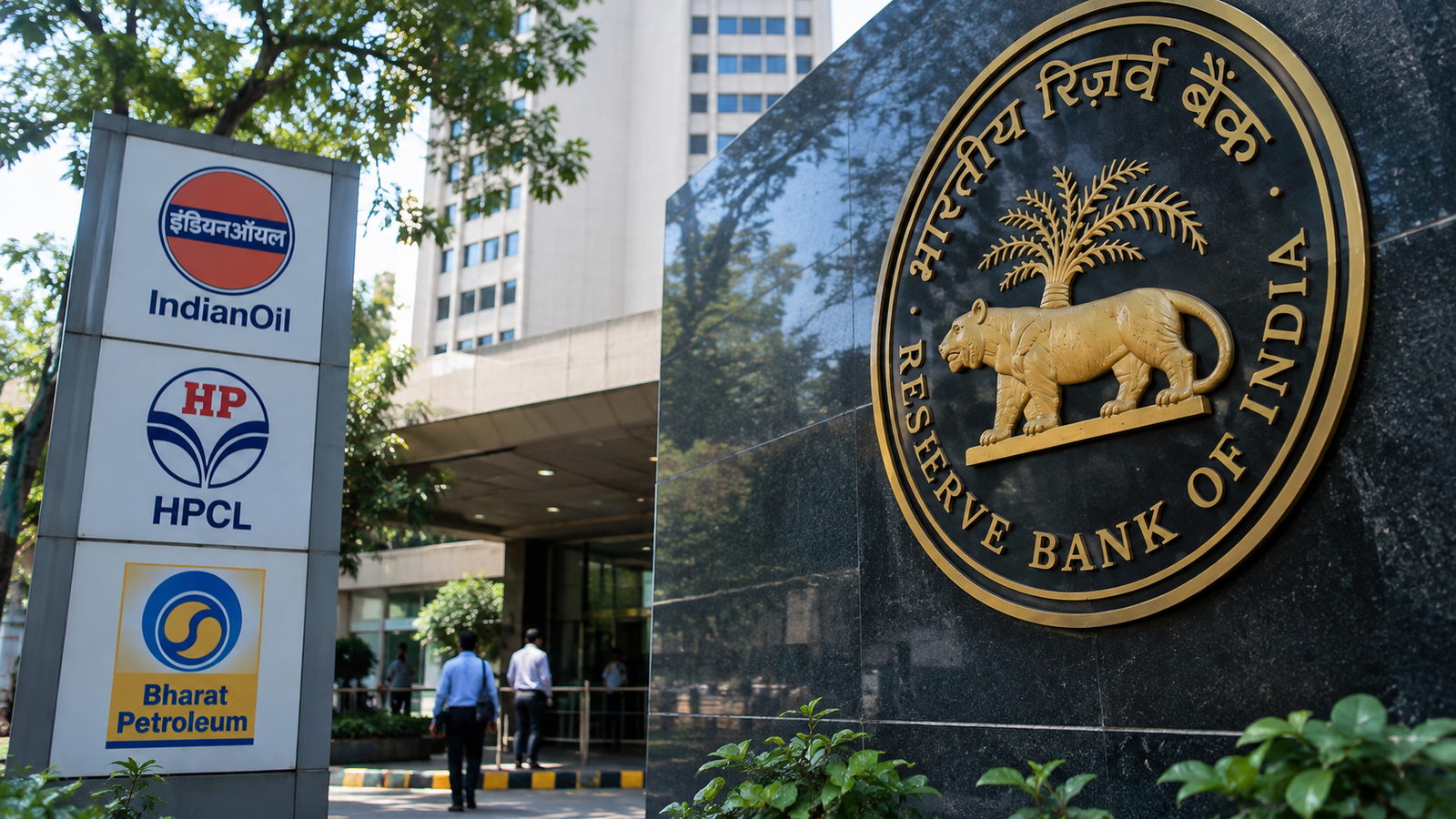
The RBI special dollar supply window for state-run oil marketing companies (OMCs) is set to begin on October 12, 2026, as the central bank takes steps to reduce pressure on the foreign exchange market and support the Indian rupee. The facility will allow major fuel retailers, including Indian Oil Corporation, Hindustan Petroleum Corporation Limited (HPCL), and Bharat Petroleum Corporation Limited (BPCL), to access dollars directly from the Reserve Bank of India (RBI) instead of relying heavily on the spot foreign exchange market.
The move comes as rising dollar demand from oil importers has added pressure on the rupee. Since India imports a large share of its crude oil requirements, government-owned oil companies regularly need billions of dollars to pay international suppliers. The RBI’s latest measure aims to reduce sudden demand spikes in the currency market and improve overall foreign exchange stability.
Why RBI Introduced a Special Dollar Supply Window
Oil marketing companies are among the biggest buyers of US dollars in India because crude oil purchases are settled mostly in dollars. When global crude prices rise or currency markets become volatile, these companies increase their dollar purchases, creating additional demand for the US currency.
The RBI special dollar supply window is designed to manage this demand more efficiently. By supplying dollars directly to oil companies, the central bank can reduce pressure on the spot market where banks and businesses compete for foreign currency.
This step is expected to help smoothen currency movements and prevent excessive volatility in the rupee-dollar exchange rate.
How the RBI Dollar Window Will Help the Rupee
The Indian rupee’s value is influenced by several factors, including crude oil prices, foreign investment flows, inflation, and demand for dollars. Since India is one of the world’s largest crude oil importers, oil payments play a major role in determining dollar demand.
The new RBI mechanism could provide several benefits:
- Lower spot market pressure: Oil companies buying fewer dollars from the open market may reduce immediate demand.
- Improved currency stability: Reduced volatility can support more predictable exchange rates.
- Better market management: RBI can monitor and manage foreign currency flows more effectively.
- Reduced uncertainty for importers: Oil companies can plan payments with greater confidence.
Impact on Indian Oil, HPCL and BPCL
The three major government-owned oil companies — Indian Oil, Hindustan Petroleum and Bharat Petroleum — are expected to be the main beneficiaries of this facility.
These companies import crude oil, refine it, and supply petrol, diesel, aviation fuel and other petroleum products across India. Any sharp movement in the rupee-dollar exchange rate directly affects their import costs.
A weaker rupee increases the cost of crude imports because companies need more rupees to purchase the same amount of dollars. The RBI’s dollar supply support may help reduce currency-related risks for these companies.
However, the long-term impact will also depend on international crude prices and global currency trends.
RBI’s Broader Strategy to Defend the Rupee
The RBI special dollar supply window is part of wider efforts by the central bank to maintain orderly conditions in the foreign exchange market.
The RBI regularly uses multiple tools to manage currency stability, including foreign exchange reserves, market interventions, liquidity measures, and regulatory steps. The objective is not to fix a particular exchange rate but to prevent sharp and disruptive movements.
India’s foreign exchange reserves provide a cushion during periods of high global uncertainty. However, managing dollar demand remains important because crude oil payments represent a significant portion of India’s import bill.
What This Means for Consumers
For Indian consumers, the RBI’s decision could indirectly influence fuel prices and inflation.
If currency volatility is controlled and import costs remain manageable, oil companies may face fewer challenges in pricing petroleum products. However, petrol and diesel prices depend on several factors, including crude oil rates, government taxes, and global energy markets.
Therefore, the RBI dollar window alone may not immediately lead to lower fuel prices, but it can help create a more stable economic environment.
Experts Watch Rupee Movement After RBI Move
Market participants are closely monitoring how the new dollar supply mechanism affects the rupee and foreign exchange markets. Analysts believe that reducing concentrated dollar demand from large importers could improve market liquidity and limit sudden currency fluctuations.
The effectiveness of the policy will depend on factors such as global interest rates, US dollar strength, crude oil prices, and foreign capital flows into India.
Conclusion: RBI Dollar Window Aims to Bring Stability
The RBI special dollar supply window for Indian Oil, HPCL and BPCL marks a significant step toward managing dollar demand and protecting the stability of the Indian rupee. By directly supporting major oil importers, the central bank aims to reduce pressure on currency markets and maintain smoother foreign exchange conditions.
While the move may not completely control rupee movements, it provides an additional tool for the RBI to manage volatility and support India’s energy security.






Leave a Comment