

10 Oct, 2026
Meet Sabba Keynejad: The Founder Who Turned Y Combinator Rejection Into a $40M ARR Startup
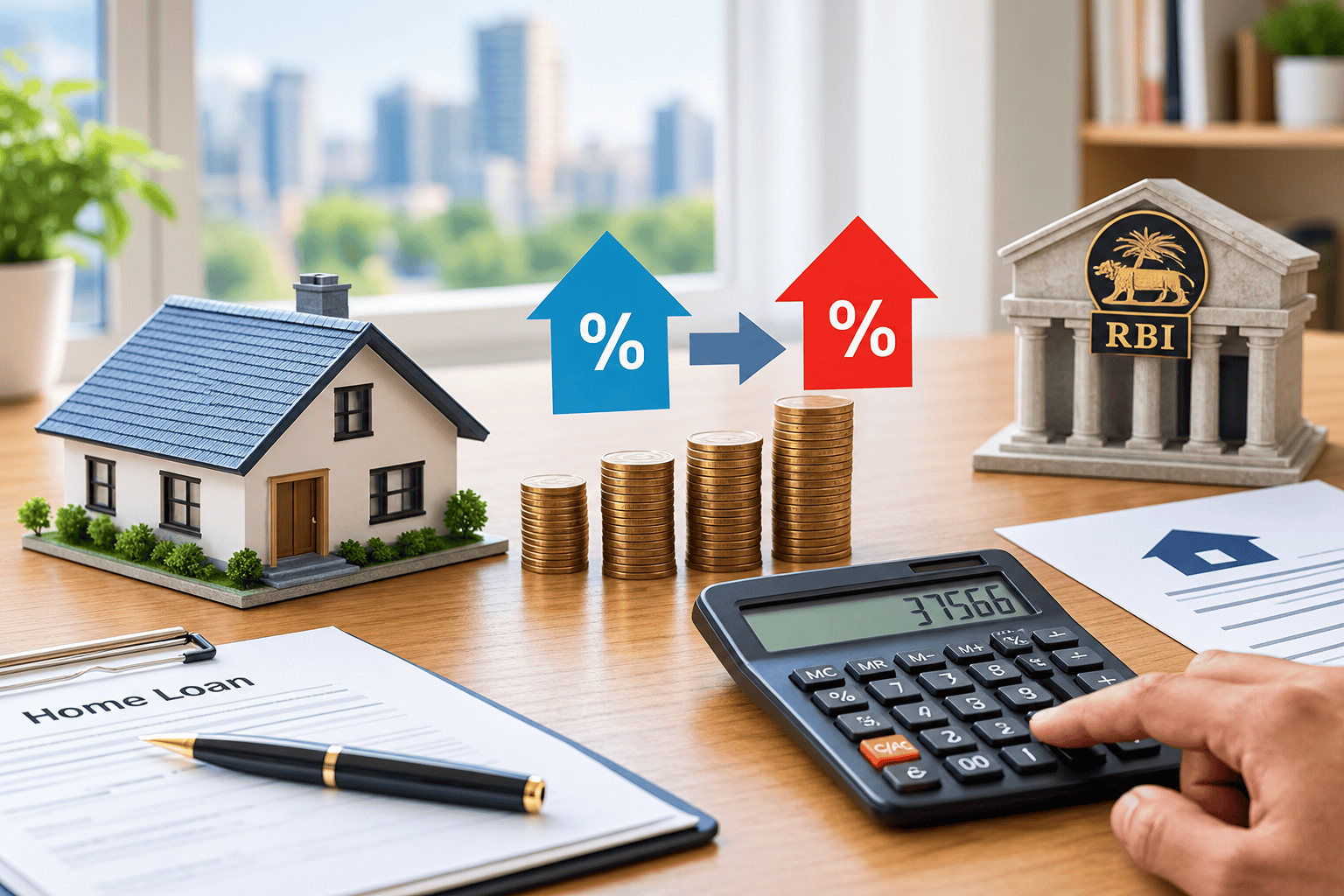
Home Loan EMI is set to increase for many borrowers after the Reserve Bank of India (RBI) raised the repo rate by 25 basis points to 5.50% during its October 2026 Monetary Policy Committee (MPC) meeting. The RBI repo rate hike may increase borrowing costs for floating-rate home loan customers and impact monthly EMIs over the remaining loan tenure.
The decision marks the first repo rate increase since February 2023, ending a long period of stable interest rates. While the hike may appear small, it can significantly increase borrowing costs over the lifetime of a home loan, especially for borrowers with floating-rate loans.
If you have a home loan or are planning to buy a house, here’s everything you need to know about how the RBI’s latest decision affects your monthly EMI, total interest payable, fixed deposits, and future borrowing costs.
Why Did RBI Increase the Repo Rate?
The RBI uses the repo rate as its primary tool to control inflation and maintain financial stability.
A higher repo rate means commercial banks have to borrow money from the RBI at a higher cost. Banks often pass this increase on to customers by raising lending rates, making loans more expensive.
The latest increase comes amid:
- Rising global bond yields
- A stronger US dollar
- Inflationary concerns
- Efforts to maintain financial stability
Although the increase is only 25 basis points, it signals that the RBI is becoming more cautious after a long period of accommodative monetary policy.
How Does the Repo Rate Affect Home Loan EMIs?
Most modern home loans in India are linked to an external benchmark such as the RBI repo rate.
When the repo rate rises:
- Banks gradually increase lending rates.
- Floating-rate home loans become more expensive.
- Monthly EMIs may increase.
- Alternatively, banks may extend the loan tenure while keeping the EMI almost unchanged.
The impact depends on your lender’s interest reset cycle, so borrowers may not notice changes immediately.
EMI Impact on a ₹50 Lakh Home Loan
Here’s an illustration of how a 25-basis-point increase can affect a typical borrower.
| Particular | Before Hike | After Hike |
|---|---|---|
| Loan Amount | ₹50,00,000 | ₹50,00,000 |
| Loan Tenure | 25 Years | 25 Years |
| Interest Rate | 7.50% | 7.75% |
| Monthly EMI | ₹36,950 | ₹37,766 |
| EMI Increase | — | ₹817/month |
| Total Interest Payable | ₹60.85 lakh | ₹63.30 lakh |
| Additional Interest | — | Around ₹2.45 lakh |
Although an increase of approximately ₹817 per month may not seem substantial, over a 25-year loan tenure it translates into nearly ₹2.5 lakh in additional interest.
Actual figures may vary depending on the lender, outstanding loan amount, and repayment schedule.
Existing Home Loan Borrowers: Should You Be Concerned?
Current borrowers don’t need to panic, but they should remain vigilant.
A single rate hike will not drastically change monthly finances, yet repeated increases could significantly raise long-term borrowing costs.
Borrowers should review:
- Updated interest rate after the lender’s reset date
- Revised EMI amount
- Remaining loan tenure
- Outstanding balance
Managing monthly expenses becomes even more important when loan costs increase. Using financial planning tools and budgeting methods can help borrowers track spending, control unnecessary expenses, and prepare for higher monthly commitments. Read our guide on the best budgeting apps in 2026 to improve your personal money management strategy.
Some banks may choose to increase EMIs, while others may extend the repayment period instead.
Checking your loan statement after the next reset is the easiest way to understand the exact impact.
Should You Consider Refinancing?
If your current home loan carries a considerably higher interest rate than competing offers, a balance transfer may help reduce costs.
However, before switching lenders, compare:
- Processing fees
- Legal charges
- Documentation costs
- Remaining loan tenure
- Overall interest savings
A lower rate is beneficial only if the savings outweigh the transfer expenses.
What Does This Mean for New Home Buyers?
People planning to purchase a property should prepare for slightly higher borrowing costs.
A 25-basis-point increase may not dramatically affect affordability on smaller loans, but the impact becomes more noticeable on larger loans.
For example:
- ₹50 lakh loan: Moderate EMI increase
- ₹1 crore loan: Significantly higher monthly payment
- ₹2 crore loan: Much larger lifetime interest burden
Instead of focusing only on the advertised interest rate, buyers should calculate the total repayment amount, including interest over the complete loan tenure.
Will Fixed Deposit Rates Increase Too?
The RBI’s decision is positive news for savers.
Higher policy rates often encourage banks to increase fixed deposit (FD) interest rates to attract deposits.
However, the increase does not happen instantly.
Typically:
- Existing FDs continue earning their locked-in rates.
- New FDs may receive higher returns.
- Renewed deposits could benefit from revised rates.
Banks generally adjust deposit rates gradually based on liquidity requirements and market conditions.
Why This RBI Decision Matters
The latest policy decision is significant because it represents a shift after several years.
Timeline:
- February 2023: RBI last increased the repo rate.
- Throughout 2025: RBI reduced rates multiple times.
- Repo rate declined from 6.50% to 5.25%.
- Four consecutive MPC meetings in 2026 kept rates unchanged.
- October 2026: RBI raised the repo rate to 5.50%.
Although rates have increased, they remain below the levels seen during 2023.
The current move partially reverses last year’s monetary easing rather than indicating a return to historically high borrowing costs.
Tips for Home Loan Borrowers
To manage higher interest rates effectively:
1. Monitor Your Loan Reset Date
Banks revise floating-rate loans according to predefined reset periods. Knowing your reset schedule helps you anticipate EMI changes.
2. Increase EMI Voluntarily
If affordable, paying a slightly higher EMI can reduce the overall interest burden and shorten the loan tenure.
3. Make Partial Prepayments
Using bonuses or surplus income for occasional prepayments reduces the principal outstanding and lowers future interest costs.
4. Compare Market Interest Rates
Regularly compare loan offers from different lenders to ensure your current rate remains competitive.
5. Maintain a Strong Credit Score
A healthy credit score can improve eligibility for lower interest rates during refinancing or when applying for new loans.
Frequently Asked Questions (FAQs)
Will my home loan EMI increase immediately after the RBI repo rate hike?
Not necessarily. The increase depends on your lender’s reset cycle. Most floating-rate loans are revised during scheduled interest reset periods.
Who will be affected the most?
Borrowers with floating-rate home loans, especially those with large outstanding balances and longer repayment tenures.
Will fixed-rate home loans be affected?
Existing fixed-rate loans generally remain unchanged until the fixed-rate period ends or refinancing occurs.
Is this a good time to buy a house?
Yes, if your finances are strong and the property fits your long-term goals. However, buyers should account for potentially higher borrowing costs.
Can I reduce the impact of rising interest rates?
Yes. Partial prepayments, refinancing, increasing EMI payments, and maintaining a strong credit profile can all help lower total interest costs.






Leave a Comment