

10 Oct, 2026
Meet Sabba Keynejad: The Founder Who Turned Y Combinator Rejection Into a $40M ARR Startup
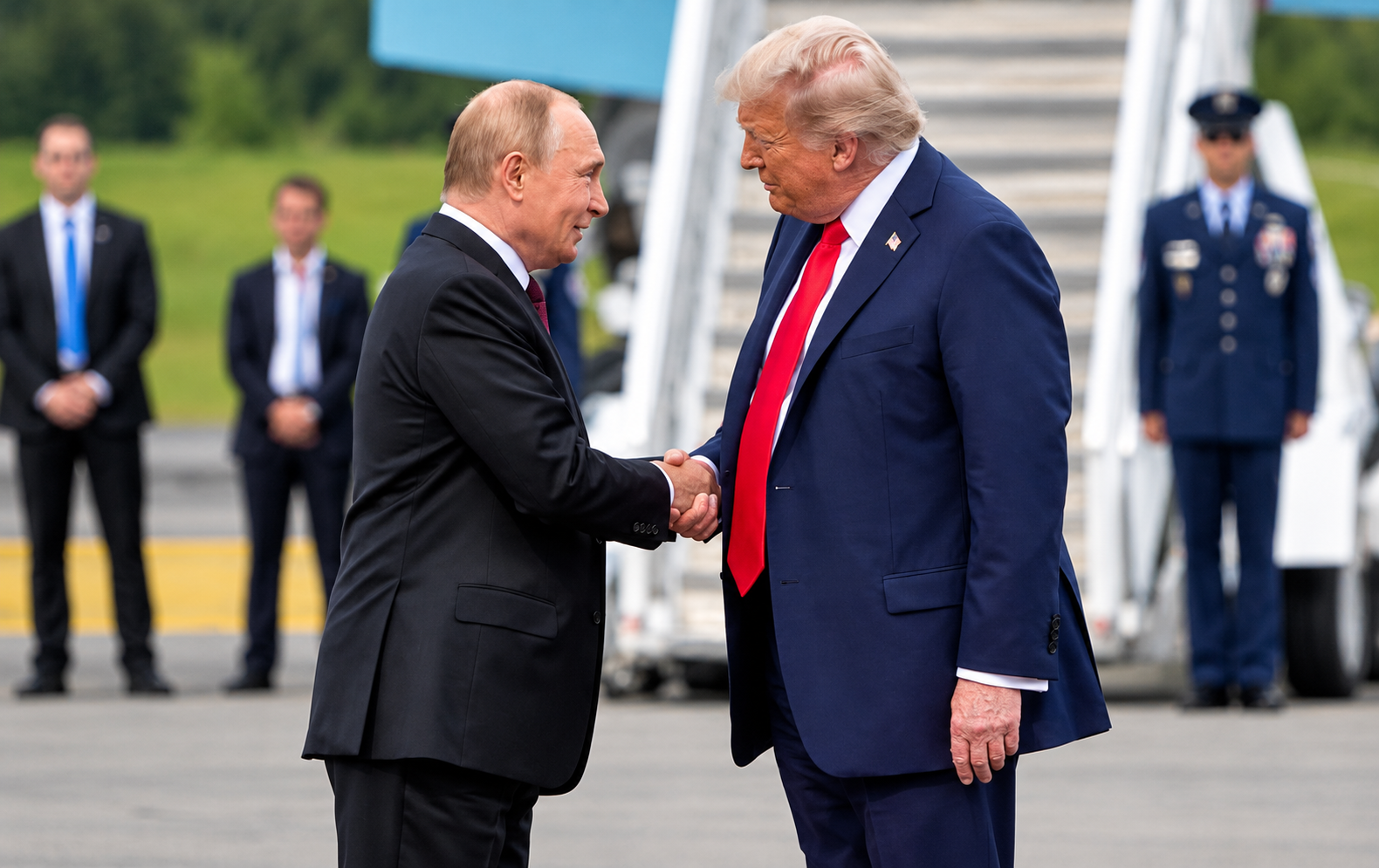
The Trump Russia diesel deal has sparked international attention after US President Donald Trump announced that Russia will immediately supply more than 300,000 tonnes of diesel fuel to the United States. Trump said the agreement is intended to help stabilize fuel supplies, ease pressure on diesel prices, and support the US economy, with additional shipments expected in the coming months.
The announcement comes at a time when global energy markets remain under pressure from geopolitical tensions, supply disruptions, and fluctuating crude oil prices. While the White House views the deal as an economic measure, Ukraine has strongly criticized the move, and Germany has reaffirmed its commitment to sanctions against Russia.
Trump Russia Diesel Deal: Immediate Fuel Supply Begins
Speaking about the agreement, President Donald Trump confirmed that Russia would begin delivering more than 300,000 tonnes of diesel fuel to the United States immediately. He added that the first shipment would be followed by additional deliveries as part of a broader energy arrangement.
According to the administration, the agreement is designed to strengthen diesel supplies across the country, reduce shortages, and help lower fuel costs for businesses and consumers. Diesel remains a critical fuel for industries including trucking, agriculture, construction, rail transportation, and manufacturing.
Officials believe the increased supply could help reduce transportation costs and ease inflationary pressures that have affected businesses over the past year.
Why the Trump Russia Diesel Deal Matters
The Trump Russia diesel deal is significant because diesel fuel powers much of the American economy. Commercial trucks transporting goods across the country rely heavily on diesel, while farmers, construction companies, mining operations, and emergency services also depend on a stable diesel supply.
When diesel prices rise, transportation costs increase, often leading to higher prices for groceries, consumer goods, and industrial products. By securing a large shipment from Russia, the administration hopes to improve fuel availability and help stabilize prices.
Energy experts, however, note that while 300,000 tonnes is a sizeable shipment, the overall impact on diesel prices will depend on future imports, domestic refinery production, seasonal demand, and global oil market conditions.
Ukraine Reacts to the Trump Russia Diesel Deal
Ukrainian President Volodymyr Zelenskyy strongly condemned the Trump Russia diesel deal, describing it as an “investment in war.”
Kyiv argues that purchasing Russian energy products generates revenue for Moscow during the ongoing conflict in Ukraine. Ukrainian officials have consistently urged Western governments to reduce energy imports from Russia and maintain economic pressure through sanctions.
Ukraine believes that limiting Russia’s export earnings remains an important part of international efforts to weaken its ability to finance military operations.
Germany Responds to the Trump Russia Diesel Deal
Germany reacted by stating that it will continue enforcing existing sanctions against Russia despite the US diesel agreement.
German officials reaffirmed that European Union sanctions remain unchanged and stressed that Berlin remains committed to supporting coordinated measures against Moscow.
The response highlights differing approaches among Western allies as governments attempt to balance energy security, economic stability, and foreign policy objectives.
Trump Russia Diesel Deal Could Affect Global Energy Markets
Global energy traders are closely monitoring the Trump Russia diesel deal because Russia remains one of the world’s largest exporters of oil and refined petroleum products.
Large-scale diesel exports to the United States could influence international fuel supply chains, freight costs, and diesel prices in multiple regions. Investors and market analysts are also watching for any policy changes that may follow the agreement.
Key developments to monitor include:
- Additional Russian diesel shipments to the United States
- Changes in US diesel prices
- Reactions from European governments
- Potential adjustments to global energy trade
- Future sanctions or policy announcements
Although the agreement could improve fuel availability in the short term, analysts believe geopolitical uncertainty will continue influencing global energy markets.
Political Impact of the Trump Russia Diesel Deal
The timing of the Trump Russia diesel deal is politically significant as the United States approaches the midterm elections.
Fuel prices remain one of the most closely watched economic issues for American voters. Lower diesel costs could benefit businesses involved in transportation, agriculture, logistics, and manufacturing while helping reduce inflation across supply chains.
Supporters argue the agreement prioritizes economic stability and energy security. Critics, however, question whether expanding energy trade with Russia sends the wrong geopolitical message during the ongoing conflict in Ukraine.
The agreement is expected to become part of broader political discussions surrounding energy policy, foreign relations, and economic management.
What’s Next for the Trump Russia Diesel Deal?
The first shipment of more than 300,000 tonnes of Russian diesel is expected to arrive immediately, with additional deliveries planned under the agreement.
Governments, businesses, investors, and energy analysts will continue monitoring how the Trump Russia diesel deal affects diesel prices, international trade, diplomatic relations, and global energy markets.
Future developments may also depend on changes in global demand, oil production levels, and geopolitical events affecting international energy supplies.
Conclusion
The Trump Russia diesel deal marks one of the most significant recent developments in international energy trade. While the Trump administration says importing more than 300,000 tonnes of Russian diesel will help strengthen fuel supplies and ease price pressures, the agreement has generated strong reactions abroad.
Ukraine has condemned the move as an “investment in war,” while Germany has confirmed it will maintain sanctions against Russia. As additional shipments are expected, the agreement is likely to remain a major topic in discussions about energy security, global diplomacy, and the international economy.






Leave a Comment